





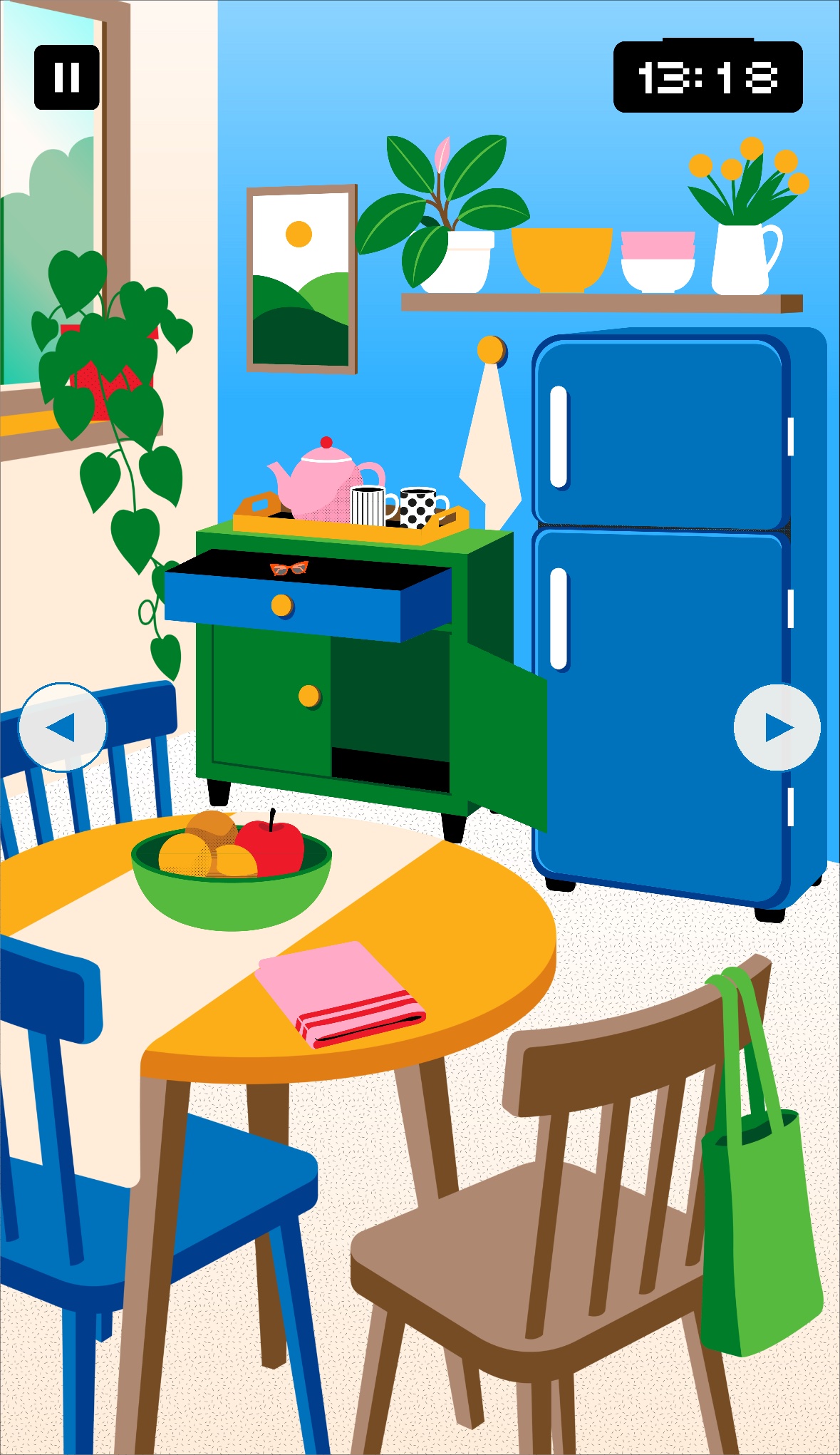



Stay in touch.
A message, a phone call, or a short visit can make space for connection. Let them know you are thinking of them, without expecting an immediate reply.

The game has ended.
For caregivers, care continues.
An informal caregiver provides unpaid care to a family member, friend, or neighbour. Care can bring moments of connection. It can also mean changing plans, interrupted rest, and less time for oneself. The person giving care has needs, feelings, and a life of their own.
 Emotional
 Physical
 Feeling
 Less
 Changing
Sometimes I feel emotionally tired, particularly when I am unsure whether I am helping in the right way.
My life is different now, but I’m still up for any plan.
Your support can make caregivers feel less alone. A meal, a visit, an errand, or a message without pressure can already make a difference.
A message, a phone call, or a short visit can make space for connection. Let them know you are thinking of them, without expecting an immediate reply.
Offer to pick up groceries, bring a meal, or help with an errand. Say what you can do and when, so they can decide whether it would be helpful.
 I made a little extra today, so I brought some for you.
Ask whether there is a task you could take on or a time you could help. Agree together on an arrangement that gives them some time for themselves.
Find reliable information and support for caregivers and those around them. If something seems helpful, ask whether they’d like you to share it.
Every care situation is different. Explore personal accounts of everyday responsibilities, mixed emotions, and the support that matters to the people giving care.
Read the creator’s book Read caregiver stories